Analyzing the Legal Twists and Turns in the Charlie Kirk Shooting Case
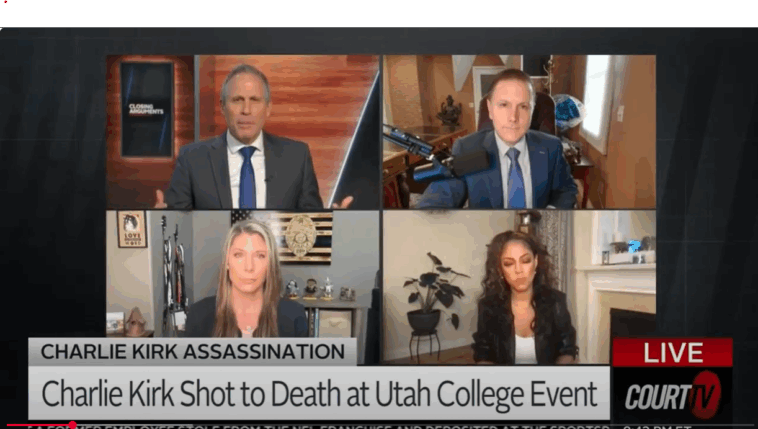
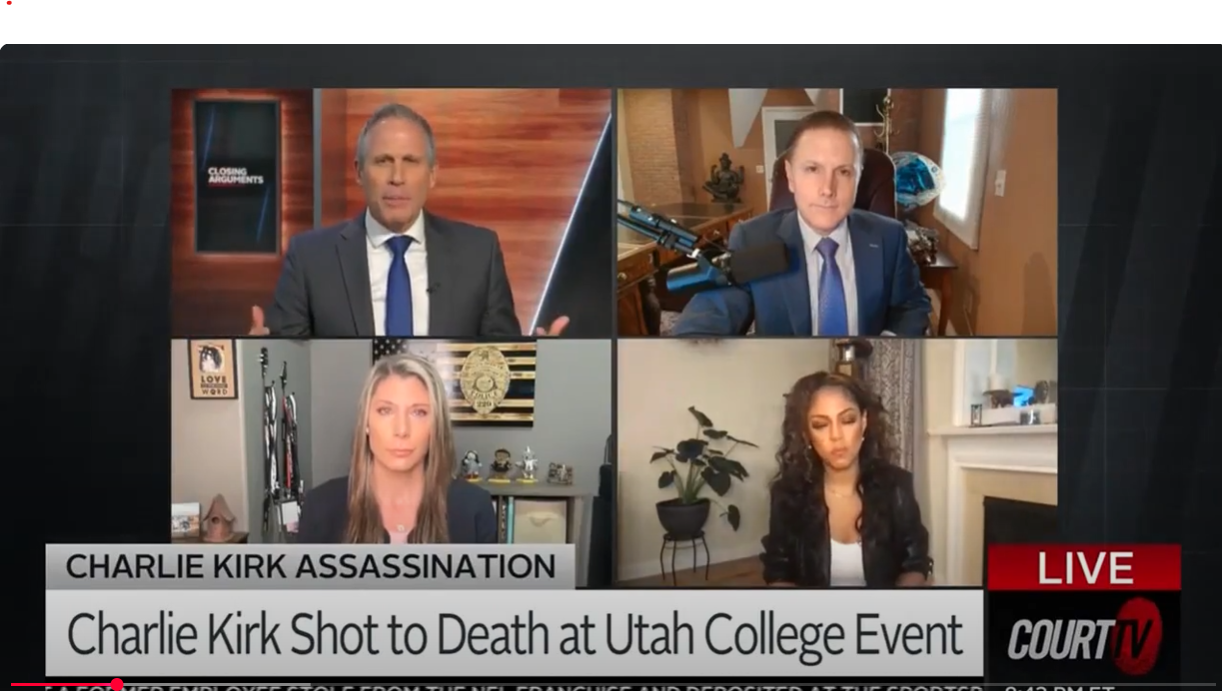
The recent shooting death of political commentator Charlie Kirk at Utah Valley University has sent shockwaves throughout the nation. With 22-year-old Tyler Robinson now facing charges in connection with this tragic event, legal experts are busy unpacking the tangled issues that make this case one of the most closely watched in recent times. In this piece, we will take a closer look at the legal process, explore the key points raised by Defense Attorney Josh Kolsrud, and offer an opinion on how public pressure and overlapping state and federal angles are shaping the proceedings.
It is essential to keep in mind that when legal cases garner significant media attention, every step becomes subject to extra scrutiny. As Attorney Kolsrud mentioned, “everything is under a microscope.” The public’s intense interest means that both the prosecution and the defense must carefully manage each move, with every legal nuance dissected by commentators and the wider community alike.
Public Pressure in a High-Stakes Legal Environment
The spotlight on high-profile cases like this one is as much about public opinion as it is about legal procedure. When a case involves a well-known political figure such as Charlie Kirk, the pressure increases exponentially. Here are a few key points regarding the impact of media and public scrutiny:
- Heightened Media Attention: With every comment and legal maneuver broadcasted widely, even minor procedural developments can escalate into headline news.
- Public Assumptions: The public is quick to form opinions, which may not always be in line with the legal realities of the case. Such assumptions can sometimes affect the perspectives of those following the trial.
- Impact on Legal Strategy: The intense spotlight means that both sides—prosecution and defense—must tread very carefully. As Kolsrud noted, every action is evaluated under a microscope, influencing legal decisions and trial dynamics.
This environment requires the legal community to work through the challenges of public perception while ensuring that the integrity of the legal process is maintained. The pressures are not only felt by the attorneys but also by judges and investigators who must operate in the midst of this off-putting and nerve-racking public arena.
State vs. Federal Charges: Digging Into the Legal Overlap
The current case poses a multi-layered legal challenge with state charges being complemented by potential federal implications. Attorney Kolsrud has pointed out that while state indictments—such as the charge for aggravated murder—are drawing major attention, federal conspiracy charges loom large in the background. This dual system creates a tangled network of legal responsibilities and potential outcomes.
The following table outlines some key differences and overlaps between state and federal charges in a case like this:
| Aspect | State Charges | Federal Charges |
|---|---|---|
| Nature of Offense | Aggravated murder, local conspiracy | Potential conspiracy under federal statutes, possibly triggered by the Patriot Act |
| Jurisdiction | State of Utah | Federal jurisdiction, potentially based on political motives |
| Penalties | May carry the death penalty, depending on local laws | Capital punishment can be applied in parallel with state outcomes |
| Investigation Focus | Direct actions of the accused | Wider circle of influence, including any communications or associations |
This duality means that the legal system must work through some pretty tricky parts and even more confusing bits to determine the proper charges, the correct jurisdiction, and the final outcome. It’s a reminder of how many fine points—from local to national laws—can come into play when a public figure is involved and political motives might be suspected.
Tangled Issues in Evidence Handling: The Pastor’s Privilege
One of the particularly knotty areas in this investigation revolves around an alleged confession made by Tyler Robinson to his pastor. In criminal law, the principle known as the pastor’s privilege serves to protect confidential communications between a clergyman and a parishioner. Much like the attorney-client privilege, this protection means that any confession made in such a setting cannot be compelled in a court of law.
Attorney Kolsrud has highlighted that if the confession remains off-limits due to this confidentiality, law enforcement will have to work through other formidable evidence bases to build a solid case. Once an accused individual invokes the right to remain silent, the prosecution is left with the burden of gathering evidence that can speak to motive and participation. In this situation, every small distinction or fine shade of an action or conversation could play a significant role in how the case unfolds.
This particular legal nuance is one of the many little details that require both sides to adopt a meticulously organized approach. Missing any subtle parts of the evidence chain, especially when a confession is shielded, can make the process considerably more nerve-racking for investigators trying to prove their case.
Choosing Silence: The Accused’s Right and Its Impact on the Investigation
Another critical component in this case is Robinson’s decision to invoke his right to remain silent. This is a constitutionally guaranteed right in the United States, designed to protect individuals from self-incrimination. However, in a case as charged with public sentiment and intense media observation as this one, the decision to remain silent can add additional layers of complexity.
When the accused opts not to provide further statements or clarifications, law enforcement is compelled to explore all possible avenues and build their case on alternative evidence. Some of these investigative paths may include:
- Interviewing family members, friends, and nearby witnesses who might shed light on Robinson’s motivations or actions.
- Examining online communications and social media interactions to trace any potential instigating influences.
- Exploring any public statements or interactions made by Robinson in connection with political or extremist views.
Each of these steps represents a puzzling part of the overall investigation that must be pieced together carefully. The absence of direct testimony from Robinson forces investigators to dig into every communication and every small twist in his behavioral patterns, making the legal process full of problems and on edge with tension.
Understanding Federal Triggers: The Role of the Patriot Act
One of the more contentious discussions in this case involves the possibility that federal statutes—and specifically the trigger of the Patriot Act—could significantly broaden the scope of the investigation. According to Attorney Kolsrud, the fact that Charlie Kirk was a public figure with political affiliations suggests that his shooting might have been politically motivated. As such, communications that would normally be peripheral could now be deemed relevant under federal conspiracy statutes.
This scenario raises several key questions that are central to cases with political overtones:
- Could online communications that encourage Robinson or offer political validation be interpreted as part of a conspiracy?
- How will the involvement of federal agencies affect local legal strategies?
- Are additional parties—beyond the direct actors—at risk of facing charges due to their supportive communications?
Each of these questions underscores the importance of understanding how and when federal laws, such as the Patriot Act, come into play. The use of federal statutes in a politically charged case stretches the legal debate into uncharted territory—where fine points in legal definitions and small distinctions in intent become super important in deciding outcomes.
Capital Punishment and Its Chosen Methods in Utah
As the legal proceedings continue to unfold in Utah, one of the most severe potential outcomes remains the application of the death penalty. For those unfamiliar with the specifics, aggravated murder charges in Utah can carry the death penalty. Adding to the complexity is the potential for a parallel federal prosecution that might also seek capital punishment.
Two particularly nerve-racking issues stand out:
- Execution Methods: Utah has the option of using the firing squad for executions—a decision that ultimately rests with high-ranking state authorities. This method, while legal, is a subject of intense debate and public interest.
- The Role of the Governor and the Judiciary: The final decision on not just the method but also the application of the death penalty will involve input from both the governor and the presiding judge. This adds another tangled layer of high stakes to the process.
When capital punishment is on the table, every small twist in the trial—from the handling of evidence to the interpretation of communications—takes on super important significance. For the families involved and for the broader legal community, these are not merely theoretical concerns, but issues with immediate and far-reaching consequences.
Working Through the Fine Points of Public and Political Crime
The intersection of public interest, potential political motives, and the inherent challenges of proving a crime creates a unique legal battleground. One of the most delicate tasks for legal professionals in high-profile cases is ensuring that every subtle part of the process is handled with precision, even when the case touches on politically sensitive ground.
Several subtle details demand attention:
- The Influence of Political Beliefs: In cases where political commentary is involved, the line between free speech and incitement becomes blurry. Determining where political expression ends and criminal behavior starts is a fine line that the courts must tread carefully.
- The Role of Encouragement and Online Interactions: When multiple parties are involved in supporting or validating the actions of an individual like Robinson, authorities must determine who, if anyone, might be legally responsible. This can bring into play a large number of individuals who may or may not have had intent to incite criminal behavior.
- Impact on Future Legal Precedents: Cases with potentially political overtones set the stage for future judicial interpretations. With both state and federal jurisdictions involved, the outcome could influence how similar cases are handled in the future, setting a precedent that would affect political, legal, and social spheres alike.
These points are part of a larger conversation about the role of legal defenses in managing the often overwhelming public sentiment and political angles in criminal cases. The legal system must carefully figure a path through these tricky parts while ensuring that justice is served, regardless of media pressure.
Sorting Out the Many Layers of Evidence
One of the central challenges in this case is the comprehensive gathering and analysis of evidence. With Robinson’s decision to remain silent and the confidential nature of a pastoral confession, investigators now face a maze of evidence that is not only scattered but also loaded with problems.
To organize the evidence, investigators typically follow a structured approach that focuses on the following elements:
- Witness Testimonies: Collecting accounts from people who observed the events before, during, and after the incident.
- Digital Footprints: Analysing social media, emails, and other online communications that might reveal connections or motives.
- Forensic Evidence: Using physical evidence from the scene to reconstruct the sequence of events.
- Contextual Analysis: Evaluating the broader social and political context to determine if there was an element of conspiracy or influence from external factors.
This systematic approach helps legal professionals get around the excessive complexities that may arise from intertwined evidentiary challenges. Each step in the process involves sorting out not just the obvious pieces but also the subtle details that often make or break the case in a court of law.
Looking Ahead: Predicting the Course of the Legal Proceedings
Given the multifaceted nature of this case, predicting its progression involves understanding both the legal procedures involved and the unpredictable effects of public and political pressure. Attorney Kolsrud’s insights highlight both the robustness and the limitations of the current evidence, along with the challenging path that investigators must follow as they build their case.
Key predictions for the future include:
- Ongoing Expansion of the Investigation: As more witnesses are interviewed and new pieces of evidence come to light, law enforcement is expected to unearth additional details that could further complicate or clarify Robinson’s intent.
- Heightened Judicial Scrutiny: With both state and federal jurisdictions potentially involved, every twist in the evidence is likely to be examined carefully by multiple tiers of government. This dual oversight adds a layer of supervision that both protects the rights of the accused and ensures the proper application of justice.
- Parallel Prosecutions: The possibility of simultaneous state and federal trials may create logistical and legal challenges. These parallel proceedings can lead to conflicting strategies or timelines but could also reinforce the overall strength of the prosecution if coordinated effectively.
Such predictions underscore the reality that this is a case filled with both delicate legal details and broad public interest. It serves as a vivid reminder that when law meets politics, the resulting mixture is often as overwhelming and intimidating as it is complex.
Expert Legal Guidance in High-Profile Cases
In cases where the stakes are as high as they are in the Charlie Kirk shooting, having clarity in the methodology and ensuring that every procedural step is followed is essential for both public trust and the administration of justice. Defense practitioners like Attorney Kolsrud play a crucial role in this landscape by offering measured insights into what may otherwise seem like an impenetrable web of legal challenges.
For potential clients or even interested members of the public, it is super important to understand that behind every high-profile case lies a network of experienced professionals committed to protecting legal rights. Whether it is dealing with the delicate details of evidence handling or the many twists and turns of political influence, legal experts work tirelessly to ensure that every client is given a fair shot at justice.
These experts not only provide legal advice but also help demystify the seemingly overwhelming process. By breaking down what might appear as a nerve-racking legal procedure into clear, understandable segments, they allow the public to appreciate the intricacies of our legal system—even when it is under the intense glare of media attention.
Reflecting on the Broader Implications
As the case continues to develop, its broader implications on legal precedents and public trust in the justice system become increasingly important. The intersection of state and federal legal domains, the role of media influence, and the exacting standards required to prosecute a politically charged crime create a situation that is, in many ways, a legal litmus test for our society.
Here are some broader implications to consider:
- Legal Precedents: How will this case shape future rulings involving politically motivated crimes? The answer may well redefine the guidelines for what constitutes incitement in our modern digital age.
- Public Confidence: The perceived fairness of the legal process in such high-profile cases is critical. When every legal step is dissected in the public arena, maintaining transparency and integrity in the legal proceedings is super important for reinforcing trust in the justice system.
- Dual Accountability: The potential for parallel state and federal prosecutions reinforces the need for accountability at multiple levels of governance. Each side of the legal spectrum must manage its responsibilities, ensuring that justice is served without favor or prejudice.
These elements all contribute to an evolving conversation about the nature of justice in a society where political influence, public opinion, and legal doctrine intersect in ever-more complicated ways.
Constructive Criticism and Future Outlook
While Attorney Kolsrud’s analysis offers valuable insights into the current proceedings, it also raises several questions about how future cases—especially those laden with political overtones—will be managed. Observers and legal professionals alike are left to consider whether the relationship between state and federal law enforcement in politically charged cases can be harmoniously balanced, or if unresolved tensions will continue to lead to legal missteps.
This case forces us to examine a few important perspectives:
- The Need for Clear Legal Standards: When political figures or public commentators are involved, establishing clear legal thresholds for incitement, conspiracy, and related charges is super important to prevent future miscarriages of justice.
- Improved Evidence Protocols: As seen with the complications surrounding the pastor’s privilege and Robinson’s silence, there is a need to continually refine how evidence is collected and interpreted in situations where traditional methods are hampered by confidentiality and legal protections.
- Balancing Transparency and Confidentiality: In high-profile cases, maintaining the balance between a fair public trial and protecting sensitive or confidential information remains a challenging tightrope for legal authorities.
The legal community must find a way to work through these issues—figuring a path that honors both the rights of the accused and the need for effective public oversight. As debates continue and legal strategies evolve, the lessons learned here will likely inform future policies and legal procedures, ultimately contributing to a more robust and transparent justice system.
Final Thoughts: The Road Ahead in a Politically Charged Climate
Looking ahead, the case of Tyler Robinson and the shooting death of Charlie Kirk serves not only as a focal point for legal debate but also as a mirror reflecting the complex interplay of law, politics, and public sentiment in modern society. The intertwined state and federal processes, combined with the matrix of public pressure and media scrutiny, create a scenario that is as challenging as it is unprecedented.
Every step along this road—from evidence collection, the invocation of silence, to the potential for capital punishment—illustrates the nerve-racking, sometimes overwhelming nature of handling high-profile criminal cases. It is a stark reminder that, while our legal system is built to withstand public pressure and political influence, the hidden complexities and little details can significantly sway its course.
For legal observers, the challenge now is to get into the fine points of every decision made along the way, critically assess the decisions of all parties involved, and remain aware of the broader implications for justice and public trust. For those who follow these cases closely, understanding the delicate balancing act between ensuring accountability and safeguarding constitutional rights is essential.
Ultimately, while the legal future of the Charlie Kirk case remains uncertain, its unfolding promises to shape not only the fate of those directly involved but also the contours of legal policy in politically charged cases. As we continue to monitor the developments, it becomes increasingly clear that the legal journey ahead is packed with both hidden complexities and small twists that will test the very foundations of our judicial system.
Conclusion: Embracing the Complexity of Modern Legal Challenges
In the end, the shooting death of Charlie Kirk and the subsequent legal battle involving Tyler Robinson is more than a single case; it is a testament to the challenges faced by our legal system in an era of unprecedented public scrutiny and political polarization. Each tangled issue—from the handling of confidential evidence like a pastor’s confession to the broad-reaching implications of potential federal charges—illustrates how modern criminal cases demand a thorough understanding of both the legal process and the public sentiment that accompanies it.
Attorney Josh Kolsrud’s insights remind us that while the case is undoubtedly full of problems and rising tensions, it also provides a critical opportunity to evaluate and improve our legal processes. Whether one is a legal expert, a concerned citizen, or someone who finds themselves facing legal challenges, understanding these fine points is key to ensuring that justice is both done and seen to be done.
For those seeking guidance in similarly charged legal conditions, finding a dedicated practitioner who not only comprehends the art of steering through such cases but also respects the importance of every step in the process is essential. The lessons drawn from this case are a must-have learning experience for the future of legal advocacy in politically and socially charged environments.
As the investigations continue and both public opinion and legal strategies evolve, this case stands as a landmark example of the nerve-racking yet necessary journey through modern criminal justice. Only time will reveal the ultimate outcomes, but one thing remains clear: every twist and turn in this high-stakes legal drama highlights the critical need for clarity, accountability, and an unwavering commitment to upholding the Constitution in the face of overwhelming challenges.
In our increasingly interconnected and scrutinized world, legal cases like these compel us to reflect upon the balance between the rule of law and the influence of public sentiment. As citizens and legal professionals alike digest the ongoing proceedings, let this case serve as a call to work together—academics, practitioners, and lawmakers—to refine our legal framework for a future where every detail, no matter how hidden, is given the justice it deserves.
Read more about this topic at https://kolsrudlawoffices.com/josh-kolsrud-analyzes-charges-in-charlie-kirk-shooting-death/
Related articles you might like
How Legal AI is Transforming White Collar Crime …
S v Williams and Others: Unraveling Legal Complexity